https://zenblis.com/resources/how-to-report-elder-abuse
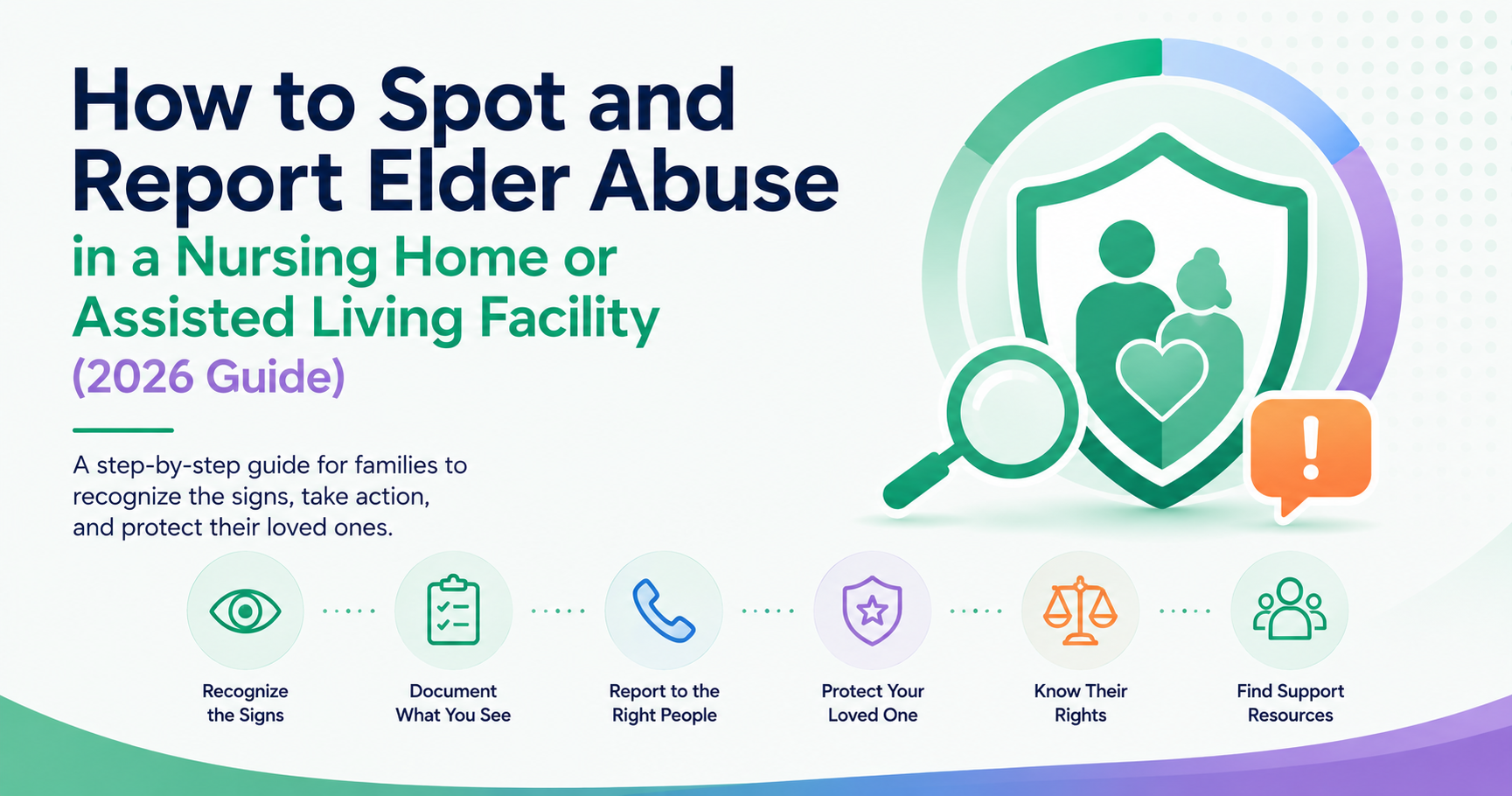
How to Spot and Report Elder Abuse in a Nursing Home or Assisted Living Facility (2026 Guide)
If you suspect elder abuse or neglect, you don't need proof to act; report it. Call 911 for an immediate emergency; otherwise contact your state's Long-Term Care Ombudsman, your local Adult Protective Services (APS) office, or the state agency that licenses the facility. You can also reach the national Eldercare Locator at 1-800-677-1116 to be routed to the right local office. Reporting a good-faith concern is protected, and it can trigger an official inspection that protects other residents too.
By Derek Belfield - 2026-07-23
The seven types of elder abuse
- Physical abuse — hitting, rough handling, improper use of restraints.
- Neglect — the most common complaint; failure to provide food, hygiene, medication, or supervision.
- Emotional/psychological abuse — threats, humiliation, isolation.
- Financial exploitation — theft, coerced signatures, misused accounts.
- Sexual abuse.
- Resident-to-resident abuse — increasingly cited by regulators, especially in dementia units.
- Abandonment.
Warning signs families often miss
Physical signs: unexplained bruises, pressure sores/bedsores, sudden weight loss, poor hygiene, or repeated "falls."
Behavioral signs: new fearfulness around certain staff, withdrawal, agitation, or reluctance to speak when caregivers are present.
Environmental signs: unclean rooms, strong odors, understaffing, or staff who discourage private visits.
Financial signs: missing belongings, unfamiliar charges, or sudden changes to legal or financial documents.
A single sign isn't proof, but a pattern — or a resident who seems afraid — warrants a closer look and, often, a report.
What to do, step by step
Ensure immediate safety.
If someone is in danger or seriously injured, call 911 first.
Document what you see.
Dates, times, photos of injuries or conditions, names of staff on duty, and direct quotes. Contemporaneous notes carry weight.
Report to the right authority.
For licensed facilities, the Long-Term Care Ombudsman and the state licensing/survey agency can investigate the facility; Adult Protective Services handles the individual's safety. When in doubt, call the Eldercare Locator (1-800-677-1116).
Escalate if needed.
Serious or criminal conduct can also go to local police and the state Attorney General's Medicaid Fraud/patient-abuse unit.
Follow up in writing
and request a case or complaint number so you can track the investigation.
Who investigates what
Long-Term Care Ombudsman: a free, resident-focused advocate in every state who resolves complaints and can inspect on residents' behalf.
Adult Protective Services: investigates abuse, neglect, and exploitation of vulnerable adults.
State survey/licensing agency: conducts formal facility inspections and can issue citations or penalties.
Police & Attorney General: handle criminal conduct and large-scale fraud. You can contact more than one; they serve different roles.
The bottom line
Trust your instincts. You are not required to be certain, and you cannot be retaliated against for a good-faith report. Documenting what you see and making one phone call can protect your loved one; and everyone else living in that community.
How Zenblis helps
Choosing a well-run community is the best abuse prevention there is. Zenblis helps families evaluate senior care providers on staffing, inspection history, and transparency, and connects you with communities that meet those standards. Start with the "Find Care" section of our website.
Frequently Asked Questions
- Who do I call to report elder abuse in a nursing home?
- Call 911 in an emergency. Otherwise contact your state's Long-Term Care Ombudsman, Adult Protective Services, or the state licensing agency. The national Eldercare Locator (1-800-677-1116) can route you to the right local office.
- What is the most common form of nursing home abuse?
- Neglect — failure to provide adequate food, hygiene, medication, or supervision — is the most frequently reported complaint, followed by emotional abuse and, increasingly, resident-to-resident aggression.
- Can I report anonymously and am I protected?
- Yes. Most states allow anonymous reports, and good-faith reporters are protected from retaliation. You do not need proof to file a concern.
- What should I document before reporting?
- Record dates and times, take photos of injuries or conditions, note the names of staff on duty, and write down exactly what your loved one or witnesses said, as soon as possible after observing it.